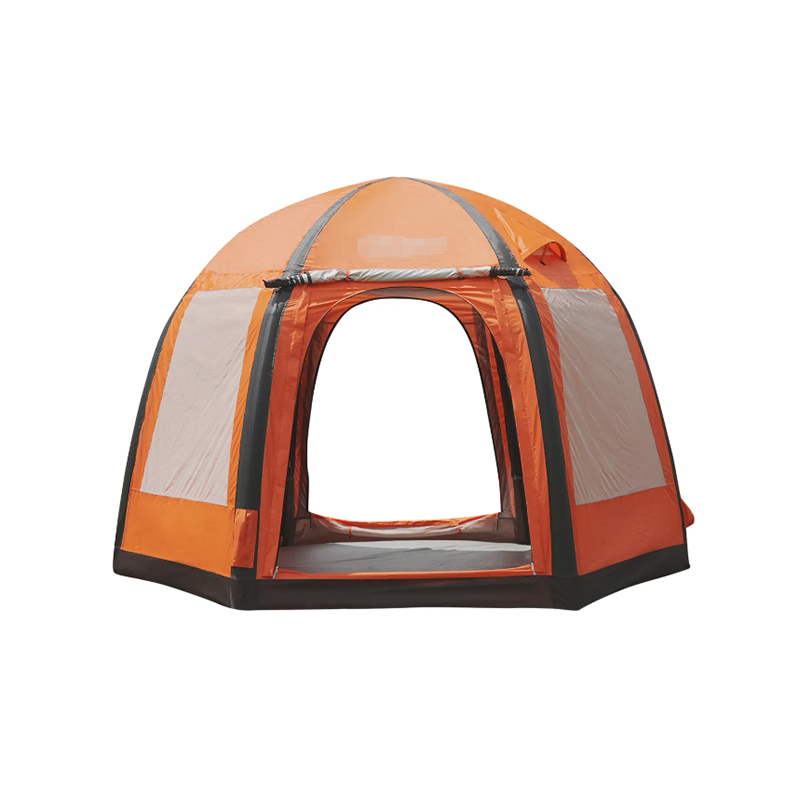
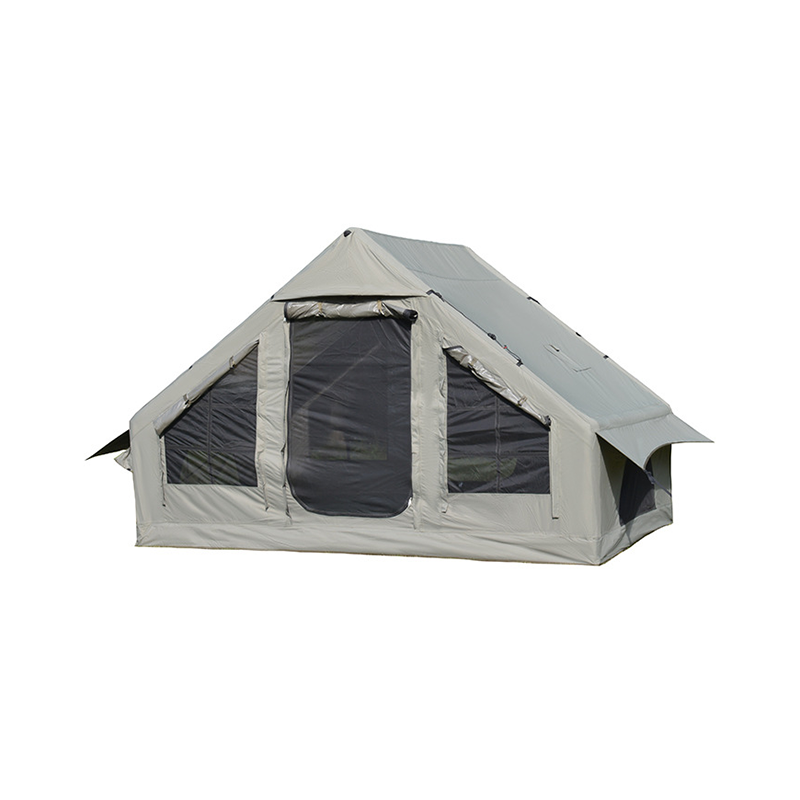
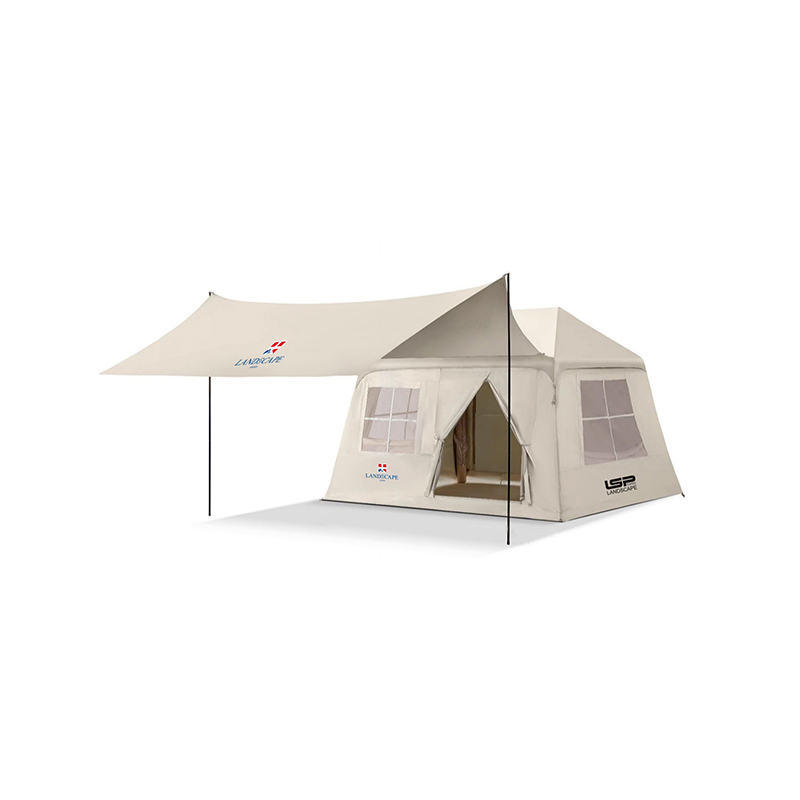
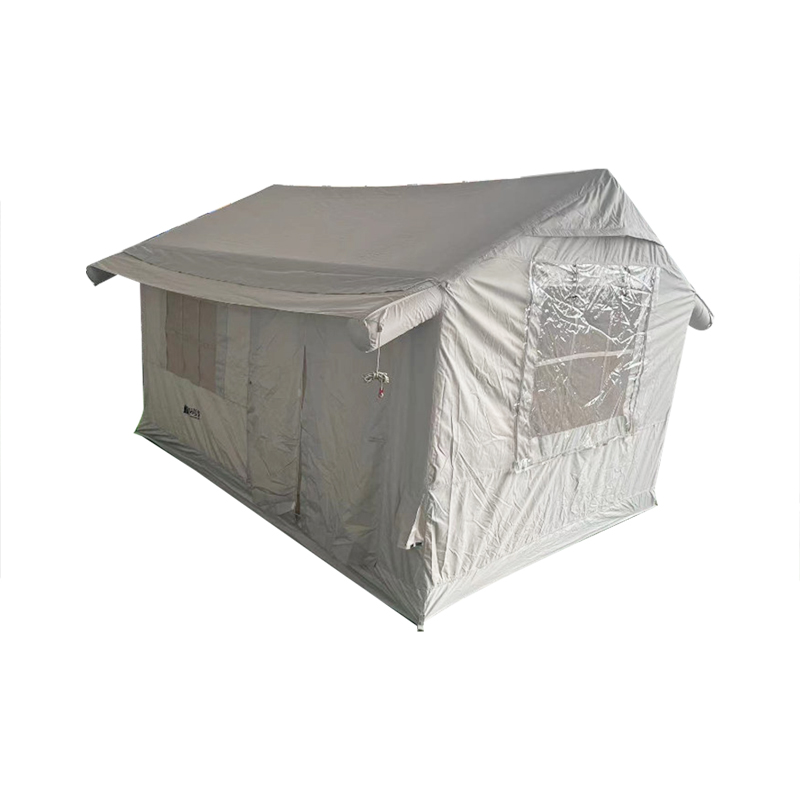
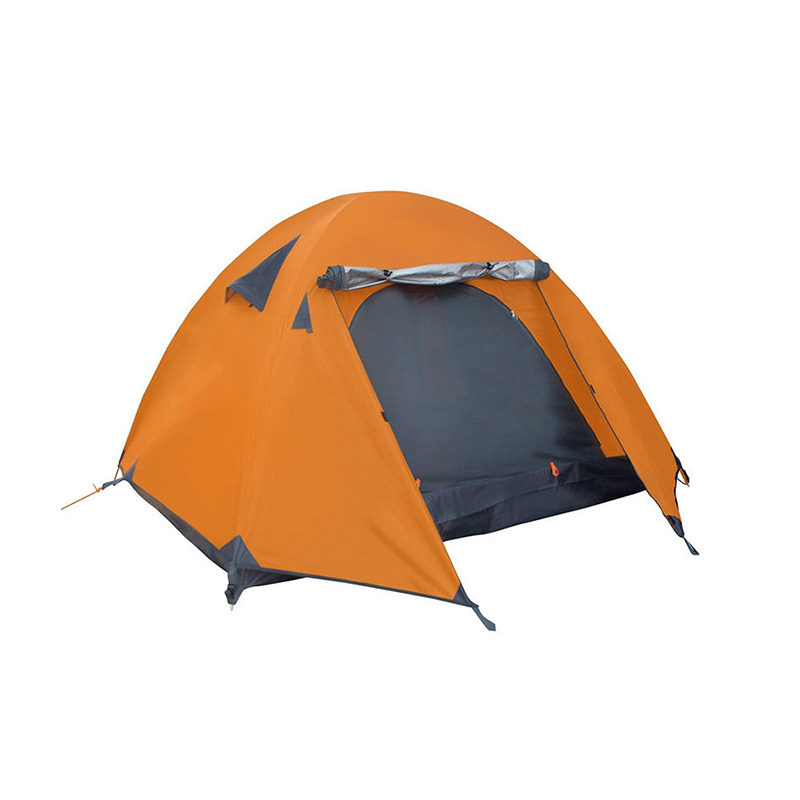
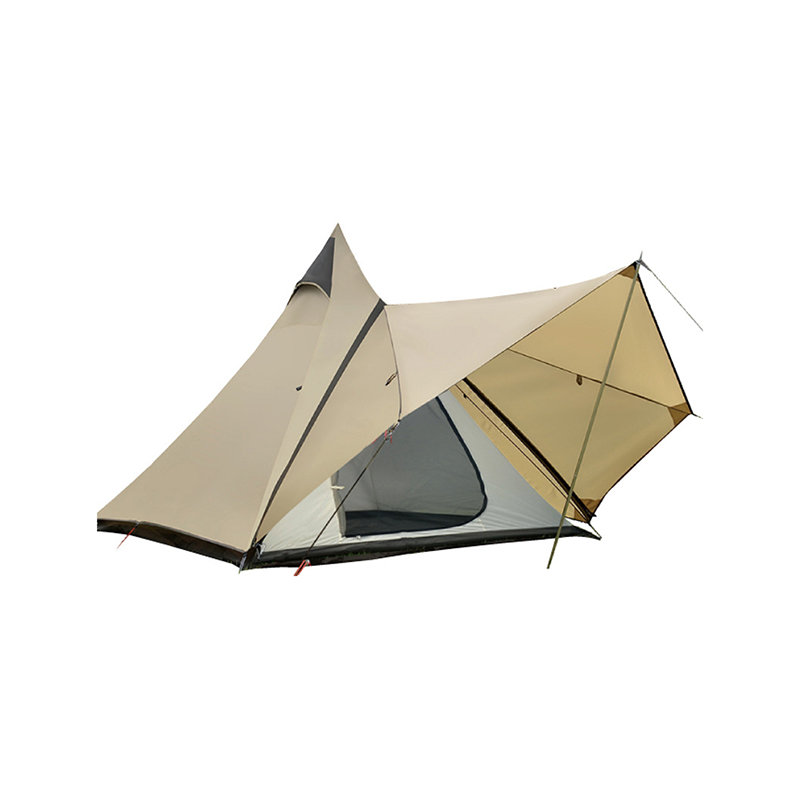
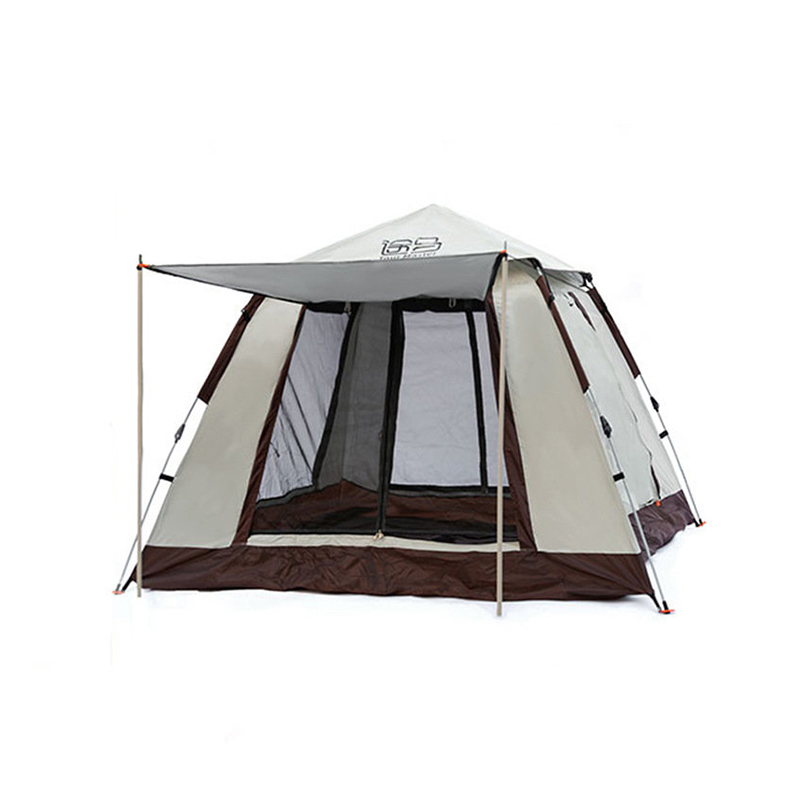
Hemisferični šator za napuhavanje 2 vrata 4 Windows


 Tražiti...

Unutarnja ventilacija an Auto šator na napuhavanje općenito je učinkovitiji od onog u zatvorenim prijenosnim garažama jer prirodno podržava kontinuiranu izmjenu zraka kroz fleksibilne otvore zračnih komora, ugrađene ventilacijske otvore i dizajn protoka zraka potpomognut pritiskom. Nasuprot tome, zatvorene prijenosne garaže više se oslanjaju na statične ventilacijske otvore ili ručno postavljene otvore, što često ograničava dosljednost protoka zraka. Kao rezultat, tipičan raznijeti auto šator može smanjiti nakupljanje unutarnje vlage za otprilike 20-35% u usporedbi s potpuno zatvorenom strukturom prijenosne garaže u sličnim vanjskim uvjetima.
Međutim, učinkovitost ventilacije nije samo volumen protoka zraka, već i kontrola. Dok je an garažni šator na napuhavanje ističe se u pasivnoj cirkulaciji, zatvorene garaže mogu ponuditi bolje kontrolirana okruženja u ekstremnim vremenskim uvjetima kada su ispravno konfigurirane.
Struktura dizajna an Auto šator na napuhavanje izgrađen je oko kontinuiranih sustava tlaka zraka. Zrak neprestano cirkulira kroz unutarnje cijevi, stvarajući mikrokanale za protok zraka koji prirodno potiskuju ustajali zrak kroz ispušne ventile. Ovaj dizajn smanjuje zone ustajalog zraka, koje su uobičajene u zatvorenim skloništima.
Nasuprot tome, zatvorene prijenosne garaže ovise o statičkim ventilacijskim točkama kao što su mrežasti prozori ili vrata na rolo. Bez prisilne cirkulacije, strujanje zraka često je neravnomjerno. Zatvoreno okruženje može zadržati toplinu i vlagu, osobito kada vozila uđu u strukturu dok su još topla.
Performanse protoka zraka mogu se mjeriti u smislu brzine izmjene zraka (ACH), koja pokazuje koliko se puta zrak unutar strukture mijenja po satu. U stvarnim uvjetima, sustavi na napuhavanje obično rade bolje zbog ugrađenog mikropropuštanja protoka zraka i stalne unutrašnje regulacije tlaka.
| Značajka | Auto šator na napuhavanje | Zatvorena prijenosna garaža |
|---|---|---|
| Stopa izmjene zraka (ACH) | 8–15 | 3–7 |
| Kontrola vlažnosti | Umjereno do visoko | Niska do umjerena |
| Rasipanje topline | brže | Sporije |
Ove vrijednosti pokazuju da a raznijeti auto šator teži održavanju svježijih unutarnjih uvjeta zraka, osobito u umjerenim klimatskim uvjetima gdje je protok zraka prirodno podržan vanjskim pritiskom vjetra.
Regulacija temperature usko je povezana s učinkovitošću ventilacije. U an Auto šator na napuhavanje , kontinuirani protok zraka smanjuje nakupljanje topline. Za sunčanih dana unutarnje temperature su tipične 3–6°C niže nego u zatvorenim prijenosnim garažama zbog aktivnog kretanja zraka.
Zatvorene prijenosne garaže često su izložene toplinskom zarobljavanju, osobito kada su vozila parkirana nedugo nakon vožnje. Bez dovoljnog protoka zraka unutarnje temperature mogu brzo porasti, povećavajući rizik od opterećenja boje i materijala u unutrašnjosti.
Jedan od najvećih izazova ventilacije u zatvorenim strukturama je kondenzacija. Kada se topli zrak susretne s hladnijim unutarnjim površinama, stvaraju se kapljice vode. S vremenom to može dovesti do pojave plijesni ili korozije na površinama vozila.
An garažni šator na napuhavanje smanjuje ovaj rizik održavanjem stalnog protoka zraka, što sprječava taloženje vlage. Međutim, u okruženjima visoke vlažnosti može biti potrebno dodatno odvlaživanje za optimalnu zaštitu.
U ljetnim uvjetima, prednost ventilacije an Auto šator na napuhavanje postaje posebno uočljiv. Kruženje zraka pomaže u održavanju stabilnih unutarnjih uvjeta čak i kada vanjske temperature prelaze 30°C.
Zimi, zatvorene prijenosne garaže mogu bolje zadržati toplinu, ali često zahtijevaju kontrolirane ventilacijske cikluse kako bi se spriječilo nakupljanje kondenzacije. Ravnoteža između izolacije i protoka zraka postaje kritična.
Održavanje dosljedne ventilacije u Auto šator na napuhavanje općenito je jednostavniji jer je protok zraka inherentno dio njegovog konstrukcijskog dizajna. Redovite provjere zračnih ventila i ventilatora obično su dovoljne da se osigura stabilnost rada.
Zatvorene prijenosne garaže zahtijevaju aktivniju uključenost korisnika, poput podešavanja ventilacijskih otvora ili premještanja ploča kako bi se optimizirao protok zraka. S vremenom nakupljanje prašine na ventilacijskim otvorima može dodatno smanjiti učinkovitost ventilacije.
Iako oba sustava mogu učinkovito zaštititi vozila, raznijeti auto šator nudi dosljedniju i samoregulirajuću prednost ventilacije, posebno u okruženjima gdje vlažnost i temperatura često variraju.